

When Can I Exercise After a Tummy Tuck (Abdominoplasty)? A Guide to Getting Fit Without Risking Your Muscles (Dr. Ahmet Kaplan – Istanbul)
Hello from Istanbul, I am Dr. Ahmet Kaplan. As a Plastic, Reconstructive, and Aesthetic Surgeon, I know the impatient energy of my patients during their post-op checks here in Turkey. Your stomach is flat, your waist is snatched, and now you want to crown this new body with sports and rush to the gym immediately.
However, this is exactly where we need to hit the brakes.
A tummy tuck is not just a procedure where the skin is tightened. In most cases, we also perform what we call “Diastasis Recti Repair,” where the abdominal muscles are stitched together and tightened from the inside. Your skin closes in 2 weeks, but it takes at least 6-8 weeks for these muscles to fuse together.
In this article, as a surgeon, I will explain not only the “prohibitions” but also which sports you can safely do in which week, when you can start doing “sit-ups,” and how to manage your activity level after you fly back home from Istanbul.
If you are ready, let’s plan your return-to-sports calendar together.
Why Shouldn’t You Rush? (The Biological Facts)
The price of returning to the gym too early can be heavy. Internal muscle repair needs time, just like a broken bone needs to knit. If you perform a movement that increases intra-abdominal pressure (like lifting weights or straining):
Muscle Sutures Can Open: That tight internal “corset” effect loosens, and the abdomen bulges out again.
Seroma (Fluid Accumulation): Early movement causes fluid to collect in the space between the skin and the muscle. This delays healing by weeks.
Widening of Scars: If the fresh incision line is stretched, the scar, which should remain thin, widens and becomes prominent.
Week-by-Week Return to Sports Calendar
Your body knows when to say “stop” and when to say “go,” but let’s stick to the scientific schedule:
Weeks 1 – 2: The “Penguin Walk” and Circulation
During this period, whether you are recovering at your hotel in Istanbul or have just returned to your country, our only goal is to ensure blood circulation and prevent clot risk (DVT).
What Can Be Done? Slow, short walks inside the house. Walking slightly bent forward (hunched) relieves the tension on your tummy.
What is Forbidden? Anything that raises your heart rate, lifting anything heavier than 2 kg (including your luggage!), housework, and stretching.
Weeks 3 – 4: Introduction to Light Cardio
Your wounds have closed, and your drains are out. You can now start “light” paced walks.
What Can Be Done? 20-30 minute walks on flat ground (no hills) at a pace that doesn’t leave you breathless.
Caution: If swelling (edema) in your abdominal area increases after walking, your body is saying, “I’m not ready yet, slow down.” Rest.
Weeks 5 – 6: Expanding Boundaries
You can now start upper body (arm, shoulder) exercises while seated.
What Can Be Done? Elliptical bike (at low resistance), arm workouts with light dumbbells while sitting.
Critical Rule: Do not use weights heavy enough to require you to tighten your abdominal muscles. The “Core” region must still remain passive.
Weeks 7 – 8: The Turning Point
Usually, after the 6-week check-up (often done via video call for our international patients), we see that the muscle repair is largely complete.
What Can Be Done? Brisk walking, light jogging, swimming (excluding freestyle/butterfly), heavier leg exercises (like Squats, but without weights).
Still Forbidden: Sit-ups, planks, leg raises, and any movement directly targeting the abdominal muscles.
Month 3 and Beyond: Freedom and Abs
Congratulations! Your abdominal muscle repair has fully healed.
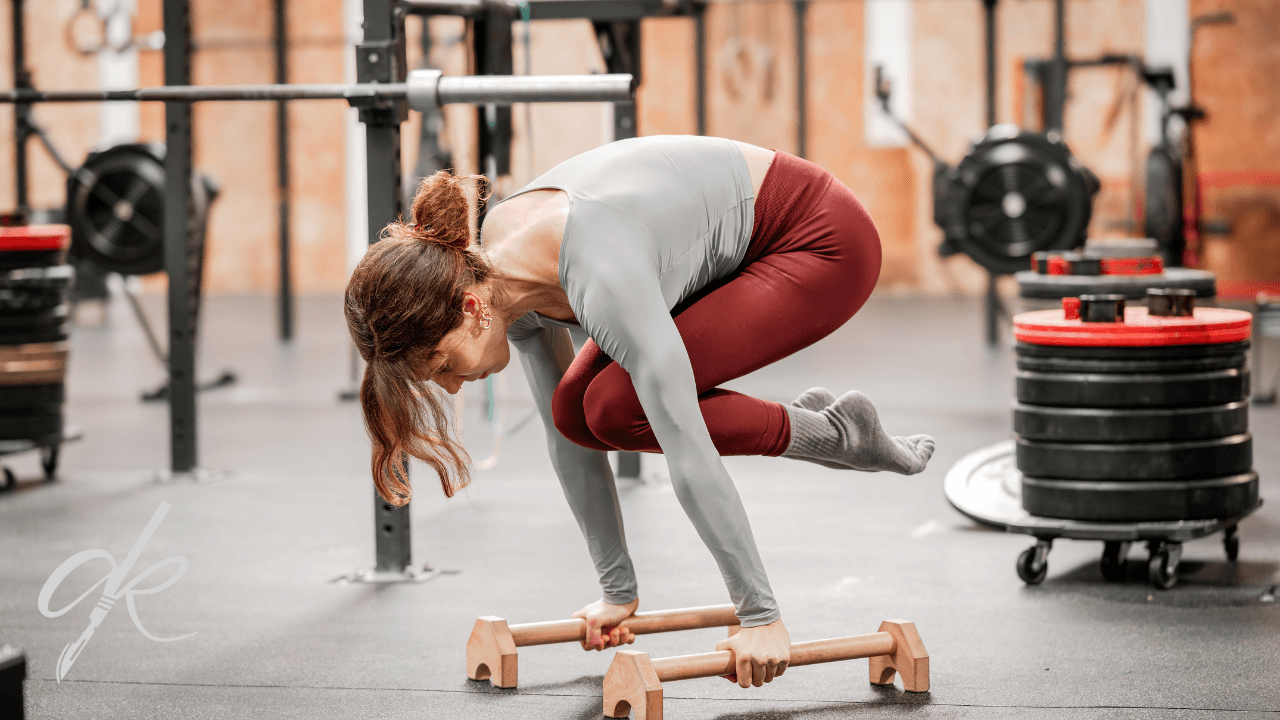
What Can Be Done? Pilates, Yoga, CrossFit, Crunches, Planks.
My Advice: Keep the set numbers low when starting abdominal exercises. Since your abdominal muscles haven’t worked for months, they will be weak.
A Special Warning for Yoga and Pilates Lovers
Yoga and Pilates are great sports, but they contain “hidden traps” for tummy tuck patients.
Stretching Movements: Movements like the “Cobra” pose that stretch the abdomen backward can excessively strain the incision line. You should not try these before the 3rd month.
Core Focus: Since Pilates is directly focused on the “powerhouse,” i.e., the abdomen, you must tell your instructor that you have had surgery.
Why Does Swelling Increase While Exercising?
My patients often call in panic when they start sports in the 2nd month: “Doctor, my belly is swollen again, is the surgery ruined?”
No, it is not ruined. Your lymphatic system has not recovered 100% yet. When blood circulation increases with sports, temporary fluid retention (edema) occurs in the surgical area.
Solution: You can continue to wear your medical corset (faja) while exercising. Drink plenty of water after sports and avoid salt. The swelling will go down by morning.
A Note on Luggage for Medical Tourists
For my patients traveling back from Turkey: Please do not lift your heavy suitcases at the airport! Lifting heavy luggage in the first weeks is the most common cause of muscle strain. Ask for assistance or use a trolley.
Conclusion: Patience is the Best Workout
Returning to sports after a tummy tuck is not a race; it is a process. If you start early and experience complications, you may be away from sports for months. But if you are patient and follow the calendar, you can exercise with that fit and muscular abdomen of your dreams for a lifetime.
I am Dr. Ahmet Kaplan. Before starting sports, make sure to check in with our clinic for final approval. Let’s not risk that internal “inner corset.”
Wishing you healthy and active days!
Dr. Ahmet Kaplan Specialist in Plastic, Reconstructive, and Aesthetic Surgery Istanbul, Turkey
Frequently Asked Questions (FAQ)
Q1: How long after surgery can I do sit-ups (crunches)?
I strongly recommend waiting at least 3 months (12 weeks) for movements that directly target abdominal muscles, such as sit-ups, planks, or leg raises. This time is essential for the muscle repair (diastasis recti) to fully fuse and for the stitches to become resistant to strain.
Q2: Should I wear a corset while exercising?
Yes, wearing a corset especially when you start sports in the first 2-3 months gives you confidence and suppresses the edema that will occur during movement. It also supports your abdomen in sudden movements and prevents pain.
Q3: When can I run on the treadmill?
You can start light-paced walking in weeks 3-4, but “running” (because it creates a bouncing effect) shakes the abdominal skin. Therefore, it will be healthier to wait 6-8 weeks for brisk jogging.
Q4: Will lifting weights pop my stitches?
Yes, lifting heavy weights (this could be picking up your child or dumbbells at the gym) increases intra-abdominal pressure, especially within the first 6 weeks. This pressure can strain the internal muscle sutures or cause bleeding. Do not lift anything heavier than 5 kg for 6 weeks.
Q5: Is swimming a good start?
Swimming is great, but it is difficult to swim without using abdominal muscles. You can enter the water after your wounds are completely closed (around week 6), but if you feel your abdominal muscles stretching while stroking, you should stop immediately. Walking in water is best for the start.