
Guide for International Patients Planning Surgery in Istanbul, Turkey
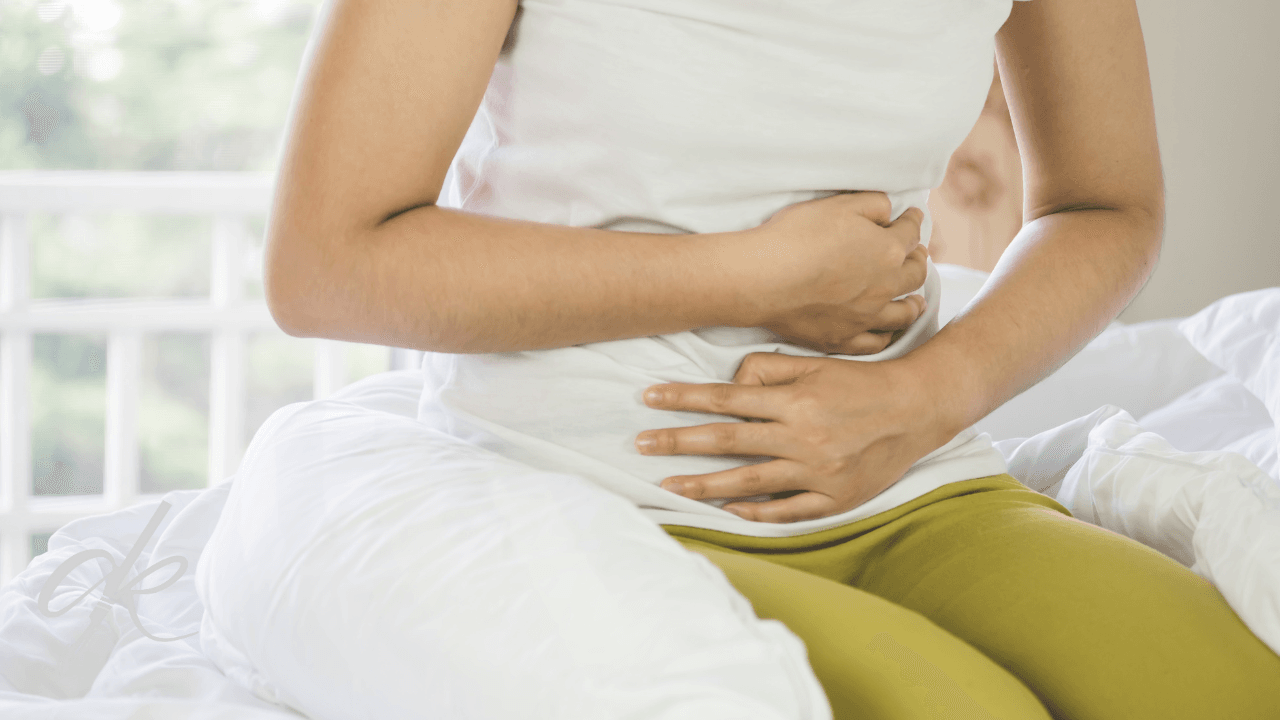
Constipation is one of the most common complaints after a tummy tuck (abdominoplasty). Many patients are surprised by it, but it is actually a very normal part of the early recovery process.
General anesthesia, pain medications, limited mobility and changes in diet can significantly slow down bowel movements.
Fortunately, constipation can be prevented with simple yet effective strategies—making the recovery more comfortable and protecting the abdominal area after surgery.
Below, you will find a detailed, patient-friendly guide inspired by the medical approach of Dr. Ahmet Kaplan, a board-certified plastic surgeon in Istanbul, Turkey.
Why Does Constipation Happen After a Tummy Tuck?
Constipation can occur for several reasons:
1. Effects of Anesthesia
General anesthesia slows down bowel activity, sometimes for 24–72 hours.
2. Reduced Mobility After Surgery
Patients naturally limit movement in the first days, which slows intestinal activity.
3. Opioid Pain Medications
Strong painkillers can significantly decrease bowel motility.
4. Low Water Intake
Not drinking enough water results in dry, hard stools that are difficult to pass.
5. Temporary Changes in Diet
Poor appetite or low-fiber meals after surgery may worsen constipation.
How to Prevent Constipation After Abdominoplasty
Here are the most effective, medically safe strategies for international patients recovering in Istanbul.
1. Drink Plenty of Water (2–2.5 liters per day)
Proper hydration:
softens stool
improves bowel movement
reduces abdominal pressure
helps prevent straining (which is dangerous after surgery)
Water is one of the most important steps in avoiding constipation after a tummy tuck.
2. Increase Fiber Intake
Fiber-rich foods support digestion and regulate bowel movements:
oatmeal
pears & apples
dried apricots
whole grains
green vegetables
chia or flax seeds
Fiber adds volume and moisture to stool, making it easier to pass.
3. Start Light Walking Early
Gentle movement stimulates bowel function.
Most patients begin with short, slow-paced walks within a few days after surgery.
Dr. Kaplan advises:
“Even small steps help your intestines wake up. Movement is the most natural treatment for constipation.”
Walking also reduces bloating and improves circulation.
4. Use Mild Laxatives – Only With Surgeon Approval
Some patients may still struggle despite diet and hydration.
Your doctor may recommend:
magnesium supplements
mild liquid laxatives
stool softeners
probiotics
Never take strong laxatives or herbal products without medical approval.
5. Adjust Pain Medication if Necessary
Opioid-based painkillers frequently cause constipation.
If appropriate, your surgeon may switch you to non-opioid pain relief options.
This change alone often improves bowel regularity.
6. Include Probiotics in Your Routine
Probiotics help regulate digestion and reduce bloating.
Options include:
yogurt
kefir
surgeon-approved probiotic capsules
These support a healthy gut environment during recovery.
7. Avoid Gas-Producing Foods
Some foods increase bloating and abdominal pressure:
cabbage, broccoli
heavy legumes
carbonated drinks
fried foods
Since the abdominal region is healing, avoiding these foods reduces discomfort.
8. Establish a Bathroom Routine
The digestive system works best with consistency.
Tips:
Try to go at the same time each day
Do not rush
Never strain — this can harm the incision or muscle repair
Routine reduces constipation episodes significantly.
9. Avoid Straining or Long Sitting on the Toilet
Straining increases abdominal pressure and can:
affect the incision
increase pain
lead to bleeding
slow healing
Soft stools are essential after abdominoplasty.
When Should You Contact Your Surgeon?
Seek medical advice if you experience:
no bowel movement for 3–4 days
severe abdominal pain
vomiting
excessive bloating
pressure or pulling around the incision
worsening hemorrhoids
Early evaluation prevents complications.
Conclusion: Preventing Constipation Makes Recovery Easier and Safer
Constipation after a tummy tuck is common — but with the right steps, it is easy to manage.
Proper hydration, healthy nutrition, light walking and doctor-approved medication all help protect the abdominal area and improve comfort.
“A smooth digestive system is one of the keys to a comfortable recovery.” — Dr. Ahmet Kaplan
Frequently Asked Questions (FAQ)
1. Is constipation normal after a tummy tuck?
Yes, it is extremely common in the first days.
2. How long does it usually last?
Most patients return to normal within 2–5 days.
3. Can constipation damage the incision?
Straining can increase pressure on the surgical site — that’s why prevention is essential.
4. Which foods worsen constipation?
Fast food, fried foods, pastries, excessive tea, and carbonated drinks.
5. Are laxatives safe after abdominoplasty?
Only if prescribed or approved by your surgeon.
6. Do herbal teas help?
Chamomile or fennel tea may soothe digestion, but strong laxative teas are not recommended.
7. What if constipation lasts more than 3 days?
Contact your surgeon for guidance.