
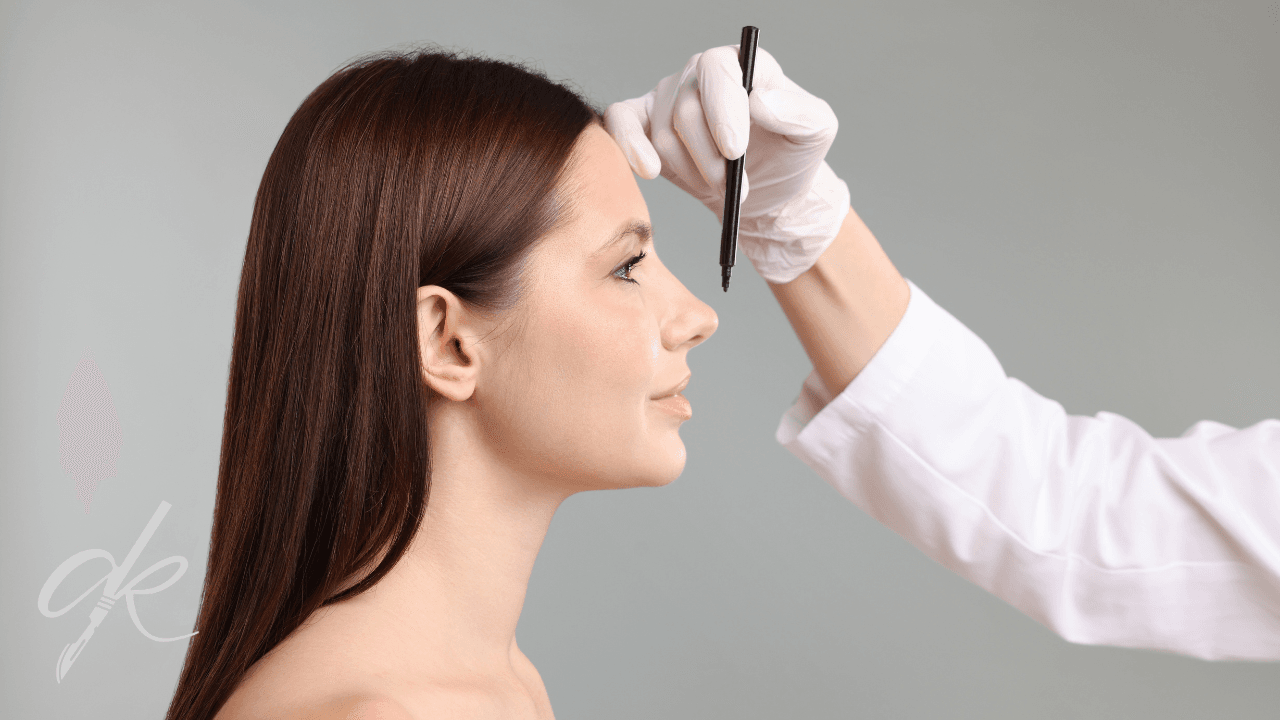
Rhinoplasty is not just an art performed by a surgeon on the operating table; it is a journey completed with the patient’s patience during the healing process. Especially for our international patients traveling to Istanbul, Turkey, knowing this process step-by-step eliminates anxiety and significantly enhances the quality of the final result.
Here is a detailed recovery guide based on the clinical experience of Dr. Ahmet Kaplan, explaining what to expect as you achieve your new look.
 The First 24 Hours: Rest and Adaptation
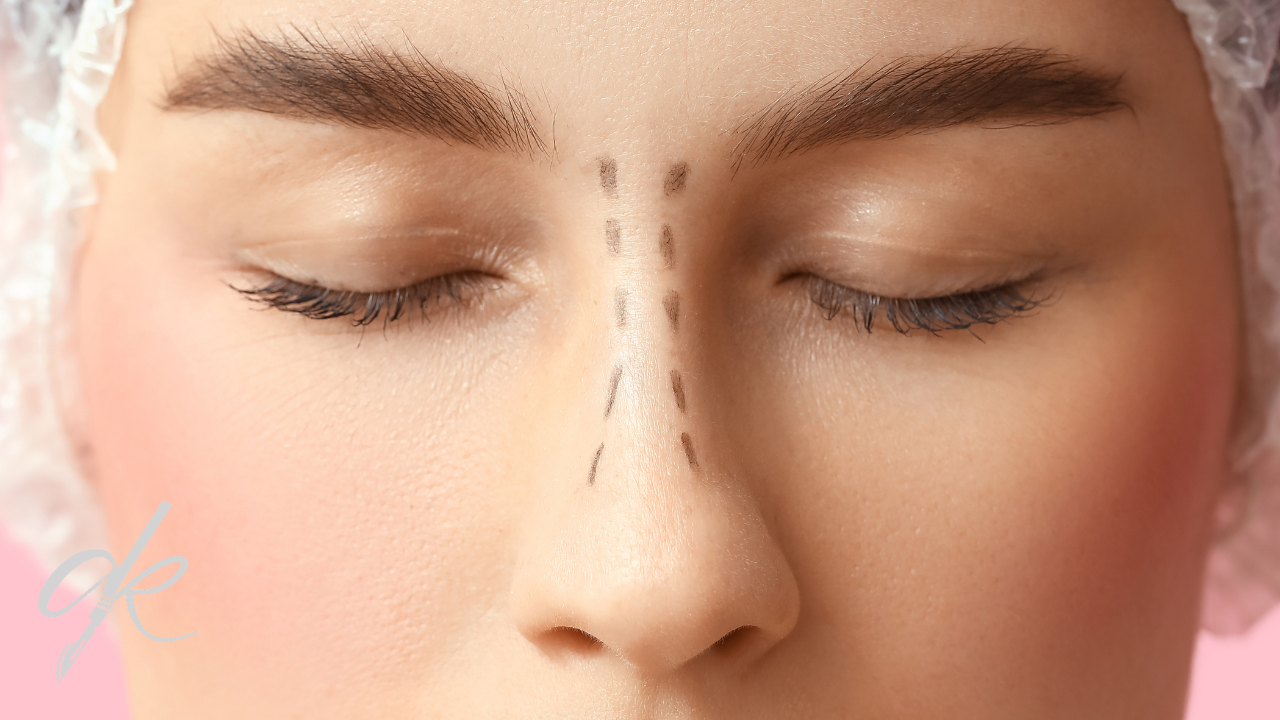 The First 24 Hours: Rest and Adaptation
When the surgery is over, you will have a protective cast (or thermal splint) on your nose and silicone tampons inside to help you breathe.
Pain: Contrary to popular belief, severe pain after rhinoplasty is very rare with modern techniques. Usually, there is only a feeling of “fullness” and “mild pressure.”
Nutrition: Consuming liquid and soft foods on the first day and limiting jaw movements will increase your comfort.
Position: You must always keep your head above heart level. Sleeping with two pillows is critical for reducing edema (swelling).
Week 1: The Big Change and Removing Tampons
This week is the most “active” period of recovery.
When are the tampons removed? Usually, the silicone tampons are removed on the 3rd or 5th day after surgery. Unlike the old-fashioned gauze, this process takes seconds and is painless.
Cast Removal: Around the 7th day, the protective cast or splints on the nose are taken off.
Bruising: Bruising and swelling around the eyes begin to turn yellow by the end of this week and disappear rapidly.
Weeks 2 – 4: Returning to Social Life
You have now reached the stage where most people won’t even realize you had surgery.
Farewell to Bruises: By days 10–14, bruising usually fades completely. You can cover any remaining discoloration with light makeup.
Work Life: Patients with desk jobs can usually return to work starting from the 10th day.
Edema Control: Your nose will still look swollen, especially in the mornings. Be patient; your skin is trying to adapt to the new underlying structure.
Months 1 – 3: Refining the Contours
During this period, the “major” swelling settles, and the main lines of the nose begin to emerge.
Exercise: You can start light walks in the 2nd week, but you should wait 4–6 weeks for heavy lifting or intense cardio.
Eyewear: Since bone healing is not yet complete, you should avoid heavy-framed glasses for 3 months. If necessary, contact lenses or very light frames can be preferred.
Numbness: It is normal to feel numbness at the tip of the nose. This sensation begins to decrease after the 3rd month.
6 Months – 1 Year: The Final Result
“Full recovery” in rhinoplasty is a process that spans an entire year.
Softening of the Nasal Tip: The tip of the nose is the last area to heal. After the 6th month, the tip softens and begins to move more naturally.
Final Shape: It takes about 1 year for the nose to take its final shape and for all micro-swelling to subside. For patients with thick skin, this process can extend up to 1.5 – 2 years.
The Privilege of Recovery in Istanbul, Turkey
Patients coming to Dr. Ahmet Kaplan’s clinic in Istanbul from all over the world often spend the first week after surgery enjoying the unique atmosphere of this city. Between 7 to 10 days after the operation, you can safely board a plane with your new nose and return to your country.
Frequently Asked Questions (FAQ)
1. Can I breathe while the tampons are in? Yes, thanks to the internal channels in the modern silicone tampons we use, you can continue to breathe through your nose.
2. What should I do to help bruises fade faster? Applying ice regularly for the first 48 hours and using the creams recommended by your doctor will speed up the process.
3. How long after surgery can I fly? Once the tampons and cast are removed (usually between days 7–10), there is generally no obstacle to flying.
4. When will I see the final version of my nose? You will see significant changes in the 1st month, but it takes a full year for the millimetric details to settle.
5. Why is sun protection important? If fresh surgical scars and edematous tissue come into contact with the sun, permanent spotting can occur. You should use high-protection sunscreen and a hat for the first 3–6 months.