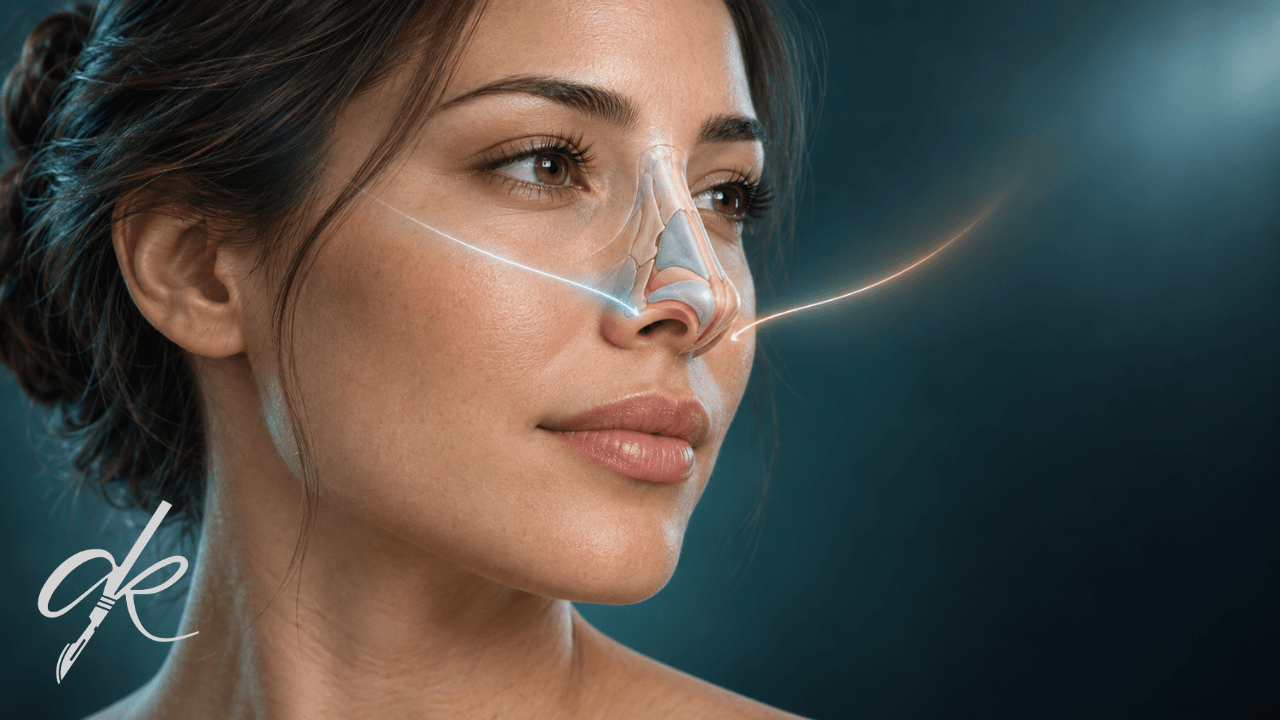

While stopping time remains impossible, reversing the signs of facial aging in an entirely natural way is now achievable through the most prestigious and up-to-date techniques in contemporary surgery. Many individuals hesitate to consider a facelift, fearing the “wind tunnel” look—that overly tight, pulled-back appearance where the corners of the mouth seem stretched toward the ears.
However, the Deep Plane Facelift technique has rendered these fears a thing of the past. Within the surgical philosophy of Dr. Ahmet Kaplan, this technique is defined not as “stretching” the skin, but as “inviting” tissues that have shifted over time back to their original positions. Performed at Dr. Kaplan’s clinic in Istanbul, Turkey, this method aims to restore the foundational architecture of the face rather than merely tightening the surface. Here are the comprehensive details of this advanced technique and its significant role in up-to-date aesthetic surgery.

The Anatomy of Facial Aging: Where Does the Problem Begin?
To understand why a Deep Plane Facelift is superior, one must first understand why the face sags. Aging is not merely a “skin” problem. The face is composed of multiple layers: the skin, subcutaneous fat, the SMAS (Superficial Muscular Aponeurotic System)—a muscular-fibrous layer—and the deep retaining ligaments that anchor these structures to the bone.
As we age, these retaining ligaments slacken. Much like the ropes of a tent losing their tension, when these ligaments—which carry the weight of the face—give way, the fat pads in the mid-face migrate downward. This results in deep nasolabial folds (lines from the nose to the mouth), sagging marionette lines (at the corners of the mouth), and a loss of definition in the jawline. Traditional methods attempt to hide this sagging by simply pulling the skin, often ignoring the root cause: the slackened ligaments. The Deep Plane technique provides an up-to-date solution by addressing these deep-seated changes directly.
Defining the Deep Plane Facelift: A Surgical Masterpiece
The Deep Plane Facelift, as the name suggests, is performed in the “deep plane” of the facial anatomy. Dr. Ahmet Kaplan manages this intricate process by navigating beneath the SMAS layer. This is where the sturdy retaining ligaments responsible for facial sagging are located. When these ligaments are surgically released, the entire mid-face, cheeks, and jawline tissues can be repositioned upward without any resistance.
The miracle of this technique lies in the fact that when the deep tissues are moved, the skin moves with them. The surgeon does not need to pull or tension the skin independently. This reduces the tension on the incision lines to near zero. Zero tension means faster healing and scars that are virtually invisible. In up-to-date surgery, true success is found in the invisibility of the procedure.
Why the “Wind Tunnel” Look is Obsolete
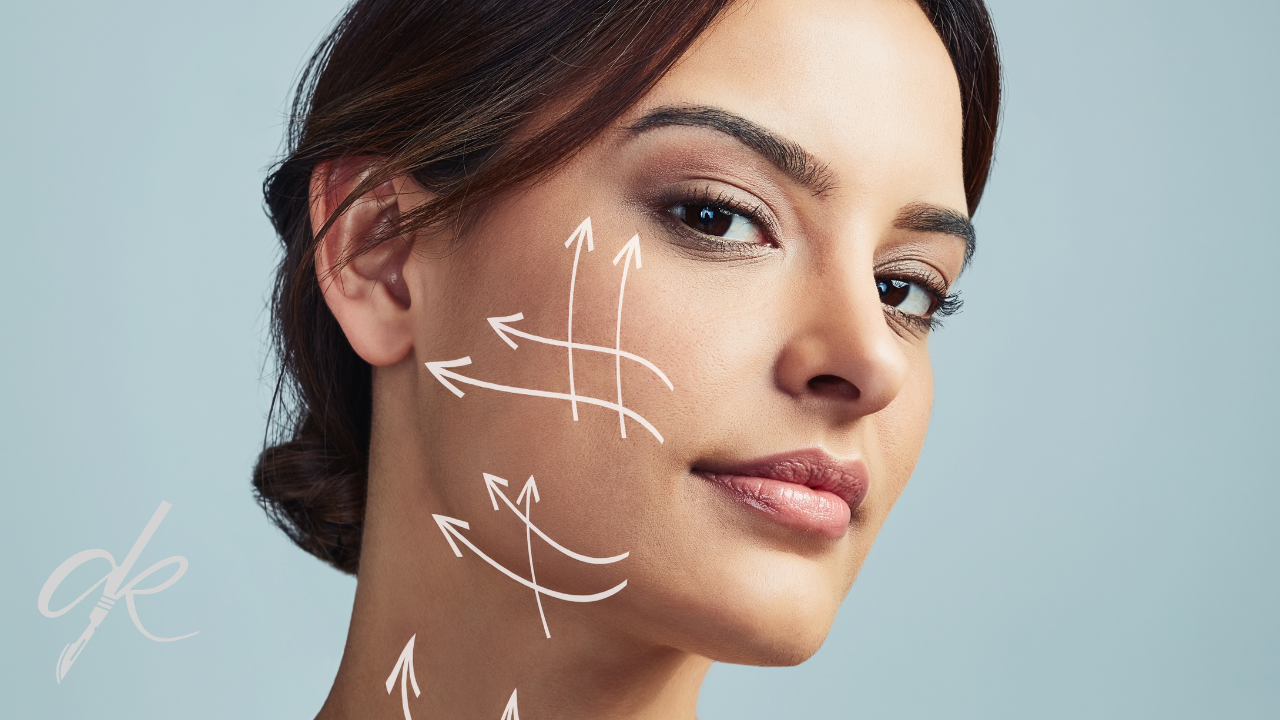
The greatest fear of facelift surgery is a result that looks artificial—as if the patient is permanently facing a high-velocity wind. This happens when tissues are pulled horizontally (toward the ears). Human faces do not age horizontally; they age vertically, sagging toward the ground.
In a Deep Plane Facelift, tissues are moved in a vertical plane, directly opposite to the pull of gravity. This allows the cheekbones to return to their natural position, sharpens the jawline, and, most importantly, preserves the natural shape of the mouth. The result is not someone who looks like they had “work done,” but someone who looks like they woke up as a version of themselves from 15 years ago. The up-to-date approach prioritizes a “rested” look over a “stretched” one.
Comparing Traditional SMAS Facelift vs. Deep Plane Facelift
Understanding the differences is crucial for any patient seeking up-to-date results. Current surgical data confirms that the Deep Plane technique is significantly superior in terms of longevity and natural appearance.
| Feature | Traditional / SMAS Facelift | Deep Plane Facelift |
| Target Layer | Only skin or superficial SMAS. | Deep tissue, muscles, and ligaments. |
| Appearance | Risk of looking “pulled” or “tight.” | Entirely natural; invisible scarring. |
| Longevity | Generally 5–10 years. | 10–15 years or longer. |
| Mid-face Effect | Minimal effect on the cheek area. | Excellent restoration of cheekbones. |
| Healing | More edema due to skin undermining. | Faster recovery; blood supply is preserved. |
The Recovery Journey: Step-by-Step Toward a New You
Many patients worry that a “deeper” surgery implies a more difficult recovery. In reality, the opposite is often true. In a Deep Plane Facelift, the surgeon works in a deeper, relatively bloodless plane, leaving the delicate vessels just beneath the skin intact. This preserves the skin’s blood supply.
The First 48 Hours: A light dressing is applied, and keeping the head elevated minimizes swelling. Surprisingly, pain is minimal; most patients report only a feeling of mild pressure.
Week 1: Most sutures are removed. Because the skin’s nutrition is not compromised, bruising fades much faster than with traditional methods.
Week 2: You can confidently return to your social life. While minor swelling may remain, the new contours of your face will be clearly visible.
Month 3 and Beyond: All tissues settle, any numbness subsides, and the final, most natural version of the face emerges.
Who is an Ideal Candidate for a Deep Plane Facelift?
This technique is not just for those over 60; it is suitable for any adult where signs of aging have become prominent. Dr. Ahmet Kaplan recommends this technique for patients observing:
Mid-face Sagging: A tired expression caused by the volume of the cheekbones sliding downward.
Loss of Jawline Definition: The “bulldog cheek” look where the jawline sags and merges with the neck.
Deep Nasolabial Folds: Lines from the nose to the mouth that have become too deep for fillers to correct.
Neck Laxity: Patients experiencing sagging in both the face and the neck (Deep Plane pairs perfectly with a neck lift).
Holistic Rejuvenation through Combined Procedures
While a Deep Plane Facelift creates a massive transformation on its own, Dr. Kaplan often combines it with other up-to-date procedures for a “total facial refresh.”
Eyelid Surgery (Blepharoplasty): Correcting tired-looking eyelids ensures that the eyes match the rejuvenated energy of the face.
Fat Transfer: As we age, we don’t just lose position; we lose volume. Supplements using your own fat restore youthful fullness.
Brow Lift: Addressing sagging in the forehead and brow area makes the eyes appear more “open” and energetic.
Istanbul and Dr. Ahmet Kaplan: Why Turkey?
Turkey has become a world leader in health tourism. This is largely due to surgeons like Dr. Ahmet Kaplan, who masterfully perform advanced techniques like the Deep Plane Facelift, supported by A+ hospital infrastructure. Istanbul is recognized today as the “aesthetic capital” of the world.
Patients coming to Istanbul experience more than just a medical procedure; they receive a VIP experience. From airport pick-ups and luxury accommodations to professional post-operative care, the recovery process is treated with the same care as the surgery itself. Because the Deep Plane Facelift requires high anatomical knowledge and experience, Dr. Kaplan’s clinic remains a top choice for international patients.
Long-Term Results: Maintaining Your Youth
A patient who undergoes a Deep Plane Facelift will consistently look 10–15 years younger than their peers. The surgery does not stop the aging process, but it “turns back the clock.” To maintain these results, Dr. Kaplan’s advice is simple: avoid smoking, use sunscreen regularly, and nourish the skin from within. The up-to-date art of aging gracefully is to build a healthy lifestyle upon a solid surgical foundation.
Frequently Asked Questions (FAQ)
1. Is a Deep Plane Facelift risky?
Every surgery has risks, but the Deep Plane technique can actually be safer regarding nerve damage when performed by an expert who respects anatomical planes. Dr. Ahmet Kaplan minimizes these risks with micro-surgical precision.
2. Will I lose sensation in my face?
Temporary numbness is a normal part of healing. Because nerves are protected during the Deep Plane approach, permanent loss of sensation is not expected. Feeling typically returns fully within a few months.
3. Is it suitable for men?
Yes, we specifically recommend this for male patients. Because it is harder to hide scars in men due to hair and beard lines, the tension-free healing of the Deep Plane technique allows scars to disappear into the beard line.
4. How much swelling should I expect?
Swelling peaks in the first three days. However, because the skin is not traumatized as much as in traditional lifts, the swelling subsides much faster.
5. When can I fly?
Generally, you can safely travel 10 days after surgery, following your final check-up.