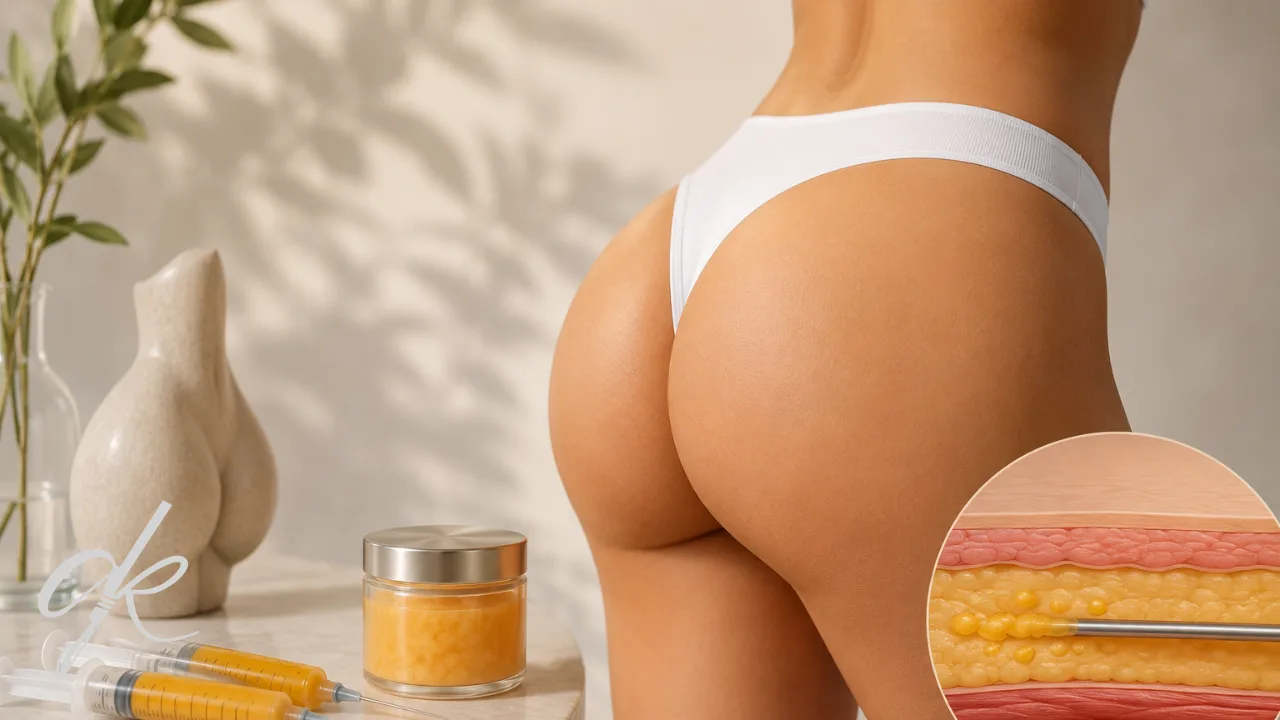
BBL, also known as Brazilian Butt Lift, is a body contouring procedure in which a patient’s own fat is removed from certain areas of the body and transferred to the buttocks. The goal is not only to increase buttock volume, but also to improve the waist-to-hip transition and create a more balanced body contour.
However, BBL is one of the most discussed procedures in aesthetic surgery from a safety perspective. The main reason is that serious complications have been reported in the past when fat was injected into the wrong tissue plane, especially into or beneath the gluteal muscles. For this reason, when BBL is discussed today, safety standards must be discussed together with aesthetic goals.
The question “Is a safe BBL possible?” should be answered carefully. No surgical procedure is completely risk-free. BBL is a surgical procedure and carries risks. However, following current safety principles, selecting the right patient, injecting fat only into the subcutaneous plane, using ultrasound guidance to monitor the cannula tip, working with an experienced surgical team and operating in appropriate medical conditions may help reduce risks.
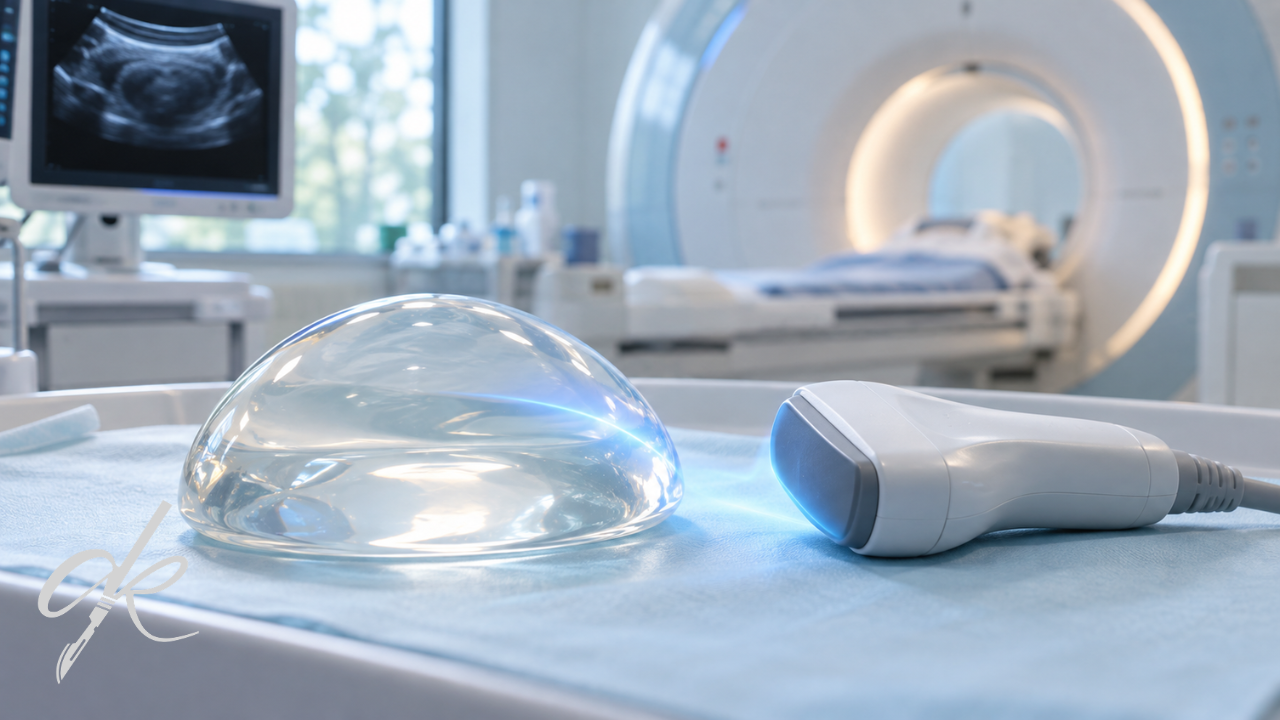
Ultrasound-guided fat transfer has become one of the most important safety-focused approaches in modern BBL surgery. With ultrasound guidance, the surgeon can evaluate the position of the cannula in real time during fat injection. This helps confirm that the fat is being placed under the skin, not into the muscle.
In this article, we will explain what BBL is, why safety is so important, what ultrasound-guided fat transfer means, why fat should not be injected into the muscle, and what patients should consider before undergoing BBL surgery. This content is prepared in line with the expertise of Dr. Ahmet Kaplan, a Plastic, Reconstructive and Aesthetic Surgeon in Istanbul, Turkey.
What Is BBL?
BBL stands for Brazilian Butt Lift. It is also known as gluteal fat transfer or buttock fat grafting. In this procedure, fat is removed from the patient’s own body through liposuction, processed, and transferred to selected areas of the buttocks.
BBL surgery usually includes two main steps. First, fat is removed from areas such as the abdomen, waist, back, hips, thighs or other suitable donor areas. Second, the collected fat is prepared and injected into the buttock region.
The purpose of BBL is not only to make the buttocks larger. It can also help improve the waist-to-hip ratio, soften body transitions and create a contour that is more harmonious with the patient’s anatomy.
BBL is not a simple filler procedure. It is a surgical operation using the patient’s own fat tissue. Therefore, operating room conditions, anesthesia planning, liposuction technique, fat preparation, injection plane and postoperative care are all important.
Why Is BBL Discussed So Much in Terms of Safety?
BBL has received significant attention in aesthetic surgery because of safety concerns. One of the most serious complications associated with unsafe gluteal fat grafting is fat embolism. This can occur when fat enters the bloodstream through high-risk vascular structures and causes a life-threatening complication.
The most critical safety issue in BBL is where the fat is injected. The buttock region contains subcutaneous fat, gluteal muscles, large blood vessels and nerves. If fat is injected deep into the muscle or below the muscle, the risk of serious complications may increase.
For this reason, current safety-focused BBL approaches emphasize that fat should not be injected into the muscle. The target should be the subcutaneous fat layer, which is the layer between the skin and the muscle fascia.
In the past, some techniques aimed to create larger volume by injecting fat into deeper tissues or into the muscle. Today, this approach is considered unsafe. Modern BBL safety principles focus on controlled fat transfer into the subcutaneous plane.
Therefore, patients considering BBL should not only ask “How much volume can I get?” They should also ask: “Where will the fat be injected?”, “Will ultrasound guidance be used?”, “Is the surgeon experienced in BBL safety standards?” and “Will the procedure be performed in proper medical conditions?”
What Does Safe BBL Mean?
The phrase “safe BBL” does not mean that the procedure is completely risk-free. A more accurate expression is “BBL performed according to current safety standards.” The aim is to reduce known risks and perform the procedure according to medical safety principles.
A safety-focused BBL approach includes several important principles:
Fat should not be injected into the muscle
Fat should be transferred into the subcutaneous plane
The cannula tip position should be controlled
Ultrasound guidance may be used for real-time visualization
Excessive volume goals should be avoided
The amount of fat should match the patient’s tissue capacity
The surgeon should have strong anatomical knowledge and experience
The procedure should be performed in appropriate surgical conditions
Postoperative care and follow-up should be planned carefully
These principles help make BBL surgery more controlled and safety-oriented. However, no safety measure can remove surgical risk completely. Patients should be informed clearly before surgery and should make decisions with realistic expectations.
What Is Ultrasound-Guided BBL?
Ultrasound-guided BBL is an approach in which an ultrasound device is used during fat transfer to visualize tissue layers and the cannula tip in real time.
In traditional approaches, the surgeon relies on anatomical knowledge, experience and tactile feedback. With ultrasound guidance, the surgeon can evaluate whether the cannula remains in the subcutaneous plane during fat injection. This is especially important for avoiding injection into the muscle.
Ultrasound does not make the procedure magical or risk-free. However, it provides visual guidance. Since cannula position is one of the most important factors in BBL safety, ultrasound can help confirm that fat is being injected into the intended tissue layer.
For this reason, ultrasound-guided fat transfer is considered an important supportive tool in modern BBL safety protocols. However, ultrasound use also requires experience. The device alone is not enough; the surgeon must be able to interpret the image correctly and perform safe injection technique.
Why Should Fat Be Injected Under the Skin, Not Into the Muscle?
This is the central safety principle in modern BBL surgery. The buttock region contains gluteal muscles, and deep within or around these muscles are major blood vessels. Injecting fat into or beneath the muscle can increase the risk of fat entering the circulation and causing serious complications.
The subcutaneous plane refers to the fat layer between the skin and the muscle fascia. Current safety standards aim to keep fat injection within this superficial fat layer. This approach is intended to reduce the chance of fat interacting with deeper high-risk vascular structures.
Avoiding intramuscular injection is not just a technical preference. It is a core safety rule. For this reason, patients considering BBL should ask not only how much fat will be transferred, but also where the fat will be placed.
Ultrasound-guided BBL is especially valuable at this point. With ultrasound, the surgeon can monitor whether the cannula is in the subcutaneous plane. The goal is to keep the injected fat in the safer superficial layer.
What Is the Biggest Risk in BBL?
One of the most serious risks associated with BBL is fat embolism. Fat embolism can occur when fat enters the bloodstream and travels through the circulation, potentially causing life-threatening complications.
This risk is strongly associated with injecting fat into deeper planes, especially into or beneath the gluteal muscle. Because the gluteal region contains large blood vessels, incorrect injection depth is a major safety concern.
For this reason, safety recommendations emphasize that fat should not be injected into the muscle. Keeping the cannula in the subcutaneous plane, controlling cannula direction and depth, using ultrasound guidance and avoiding excessive volume goals are important safety measures.
BBL safety begins before surgery. Patient selection, anesthesia assessment, procedure duration, the amount of fat removed and transferred, surgical facility standards and postoperative follow-up are all part of the safety plan.
Does Ultrasound Guidance Remove All Risks?
No. Ultrasound guidance does not remove all risks. However, when used correctly, it can help the surgeon evaluate cannula position and support fat placement into the subcutaneous plane.
It is important to understand that ultrasound is a safety tool. Safe BBL is not achieved simply by having an ultrasound device in the room. Surgeon experience, anatomical knowledge, correct patient selection, appropriate fat volume, procedure planning and postoperative care are also essential.
Ultrasound guidance is especially valuable for avoiding intramuscular fat injection. However, if the device is used incorrectly, if the image is misinterpreted or if safety principles are ignored, ultrasound alone may not provide sufficient protection.
Therefore, patients should not only ask “Is ultrasound used?” They should also ask whether the surgical team has experience with ultrasound-guided gluteal fat transfer and BBL safety protocols.
Is Injecting More Fat Always Better?
No. In BBL surgery, transferring more fat does not always mean a better result. Excessive volume goals can increase tissue pressure, reduce fat survival and push the procedure toward unsafe planning.
The amount of fat that can be safely transferred to the buttocks depends on the patient’s subcutaneous tissue capacity, skin elasticity, existing buttock shape, fat quality and safe injection area.
The goal should not be to inject the maximum possible amount of fat. The goal should be to create a proportional contour within safe limits. Very large volume goals may look less natural and may increase safety concerns.
For this reason, the idea “more fat means better BBL” is not correct. A safety-focused BBL plan should be measured, personalized and respectful of tissue capacity.
How Much of the Transferred Fat Survives?
Not all transferred fat becomes permanent. After BBL, some fat cells survive in the new area, while some may be gradually absorbed by the body. The percentage of fat retention varies from person to person.
Fat survival depends on fat harvesting technique, fat processing, injection method, tissue plane, blood supply, the patient’s healing response, weight changes and postoperative care.
The volume seen immediately after surgery is not the final result. In the early period, swelling is also present, so the buttock area may appear fuller. Over time, swelling decreases and some transferred fat may be absorbed. Final results are usually evaluated later in the healing process.
Patients should be informed about this before surgery. The expectation that all transferred fat will remain permanently is not realistic.
Who May Be a Suitable Candidate for BBL?
Suitable candidates for BBL are generally individuals with good overall health, relatively stable weight, enough donor fat for transfer and realistic expectations.
Because BBL uses the patient’s own fat, very thin patients may not have enough fat available for transfer. In such cases, the desired volume may not be achievable, or the procedure may not be appropriate.
Patients with uncontrolled chronic illnesses, clotting disorders, significant anesthesia risks, active infection or unrealistic expectations may not be suitable candidates.
BBL candidacy is not determined only by buttock shape. Fat distribution, skin quality, waist-to-hip ratio, general health and ability to follow postoperative instructions must all be evaluated.
Who May Not Be Suitable for BBL?
BBL is not suitable for every patient. Very thin patients who do not have enough donor fat may not achieve the desired volume. Patients with significant excess weight may first need weight management and general health evaluation.
Patients with uncontrolled diabetes, serious cardiovascular disease, clotting disorders, active infections, severe lung disease or high anesthesia risk should be evaluated very carefully.
Patients who want extremely large volume, who aim for exaggerated social media-style results, or who expect a dramatic change beyond what their body can safely allow should receive detailed counseling.
BBL is not only an aesthetic decision. It is also a medical suitability decision. Unsafe expectations should not guide surgical planning.
How Are BBL and Liposuction Planned Together?
In BBL surgery, liposuction is not only used to collect fat. It also plays an important role in shaping the surrounding areas and improving the overall body contour.
For example, reducing fat around the waist can make the buttocks appear more defined even without extreme volume increase. This is why BBL planning includes both where fat is injected and where fat is removed.
However, liposuction areas must also be planned within safe limits. Very extensive liposuction may increase procedure time and recovery demands. Also, not all fat removed through liposuction may be suitable for transfer.
BBL planning requires evaluating the body as a whole. The goal is not only to add volume to the buttocks, but also to create natural transitions in the surrounding areas.
Sitting and Sleeping After BBL
One of the most important postoperative instructions after BBL is to avoid pressure on the buttocks for a certain period. This is because the transferred fat cells need time to establish blood supply and survive in the new area.
Patients may be advised not to sit directly on the buttocks for a period of time or to use a special BBL pillow. Sleeping position should also be planned according to the surgeon’s instructions. Long periods of direct pressure on the buttock area may need to be avoided.
However, these instructions are not exactly the same for every patient. The amount of fat transferred, injection areas, liposuction areas and surgeon’s protocol all influence postoperative recommendations.
Following the surgeon’s instructions after surgery is important for both comfort and fat survival.
What Is Recovery Like After BBL?
In the first days after BBL, swelling, bruising, tenderness, discomfort in liposuction areas, fullness in the buttocks and movement limitation may occur. These are common parts of the recovery process.
Compression garments are often recommended for the liposuction areas. However, the garment should not create unnecessary pressure on the buttock area. Garment selection and use should follow the surgeon’s instructions.
During the first weeks, body shape may not be clearly visible because of swelling. Buttock volume may also change over time. Swelling reduction, fat survival and tissue settling all take time.
Return to work, walking, exercise, sitting routine and travel plans should be personalized. A wide-area liposuction and a more limited procedure do not have the same recovery timeline.
Does Lifestyle Affect BBL Results?
Yes. Lifestyle after BBL can affect the long-term appearance. Transferred fat cells remain part of the body’s fat metabolism.
If the patient gains weight, fat cells in the buttock area and other parts of the body may enlarge. If the patient loses weight, transferred fat volume may decrease. For this reason, weight stability is important.
Balanced nutrition, adequate protein intake, avoiding smoking, controlled movement and following the surgeon’s postoperative care plan may support recovery.
BBL results are not maintained by surgery alone. Long-term lifestyle habits also play a role.
Why Can Social Media Expectations Be Risky in BBL?
BBL is one of the aesthetic procedures most frequently shown with exaggerated results on social media. However, images on social media do not always reflect realistic, safe or anatomically suitable outcomes.
Extremely large buttock volume, a very narrow waist and dramatic proportions are not safe or natural for every patient. Camera angles, posing, filters and editing can also change the way results appear.
When patients aim for an appearance that does not match their anatomy, they may request excessive fat transfer or develop unsafe expectations.
A safety-focused BBL plan should not copy social media trends. It should aim for a measured, proportional and anatomically appropriate contour.
Should Ultrasound Guidance Be Used in Every BBL?
Ultrasound guidance is considered an important supportive method in modern BBL safety. It is especially valuable for confirming that fat remains in the subcutaneous plane.
However, ultrasound alone is not enough. The surgeon must be able to use the device correctly, recognize tissue layers, track cannula position and follow safe injection principles.
Each patient’s plan is different. In some cases, the fat transfer amount may be limited. In others, liposuction areas may be broader. In some patients, BBL may not be appropriate at all.
Ultrasound guidance should be understood as one part of a comprehensive safety plan, not as the only factor that makes the procedure safe.
Why Is Surgeon Selection So Important in BBL?
BBL is a procedure in which anatomical knowledge and adherence to safety protocols are extremely important. The surgeon must understand gluteal anatomy, vascular structures, safe fat transfer planes and ultrasound-guided technique.
Patients should not choose a surgeon based only on social media images or price. Surgeon qualification, experience, surgical facility standards, anesthesia conditions, follow-up process and patient education all matter.
In BBL, approaches that promise very large volume should be evaluated carefully. A safety-focused surgeon should explain the limits clearly, create realistic expectations and personalize the plan.
Sometimes safe surgical planning means advising against the volume the patient initially wants. This is an important responsibility in aesthetic surgery.
Safe BBL Planning with Dr. Ahmet Kaplan in Istanbul, Turkey
When planning BBL surgery, aesthetic goals and safety principles should be evaluated together. Dr. Ahmet Kaplan, a Plastic, Reconstructive and Aesthetic Surgeon in Istanbul, Turkey, assesses body structure, fat distribution, skin elasticity, general health and patient expectations during BBL planning.
In a safety-focused BBL approach, one of the key principles is that fat should be injected into the subcutaneous plane, not into the muscle. Ultrasound-guided fat transfer can help evaluate cannula position and support placement of fat in the intended safer layer.
The goal of BBL planning is to create a proportional, realistic and body-compatible contour. The same fat amount, same technique or same target appearance is not suitable for every patient.
For this reason, patients considering BBL should make decisions after detailed examination and clear medical counseling.
Conclusion: Safe BBL Depends on Correct Planning and Safety Standards
BBL is a surgical procedure that should be evaluated carefully not only for aesthetic outcomes but also for safety. The best answer to “Is a safe BBL possible?” is: a safer approach is possible when current safety standards are followed, but no surgery is completely risk-free.
One of the most important safety principles in BBL is injecting fat into the subcutaneous plane, not into the muscle. Ultrasound-guided fat transfer can help support this goal by allowing real-time visualization of the cannula tip.
However, safe BBL is not achieved by ultrasound alone. Patient selection, surgeon experience, proper surgical conditions, measured fat transfer, realistic expectations, postoperative care and regular follow-up all matter.
Patients considering BBL should not focus only on volume increase or social media images. The most important priority is a plan that is suitable for the patient’s anatomy, respects safety limits and is performed with a conscious surgical approach.
Frequently Asked Questions
What is BBL?
BBL, or Brazilian Butt Lift, is a body contouring surgery in which fat is removed from the patient’s own body through liposuction and transferred to the buttock area.
Is a safe BBL possible?
No surgery is completely risk-free. However, following current safety standards, using ultrasound guidance and injecting fat into the subcutaneous plane may help reduce risks.
What is ultrasound-guided BBL?
Ultrasound-guided BBL uses ultrasound imaging during fat transfer to help visualize tissue layers and cannula position in real time.
Why should fat not be injected into the muscle during BBL?
The gluteal muscles and deeper areas contain major blood vessels. Injecting fat into or beneath the muscle can increase the risk of serious complications.
Where should fat be injected in BBL?
Current safety-focused approaches aim to inject fat into the subcutaneous fat layer, not into the muscle.
Does ultrasound guidance make BBL risk-free?
No. Ultrasound guidance does not remove all risks. It can help evaluate cannula position and support safer fat placement when used correctly.
Is BBL a weight loss method?
No. BBL is not a weight loss method. Liposuction is used to collect fat and contour donor areas, while fat is transferred to the buttocks.
Are very thin patients suitable for BBL?
Very thin patients may not have enough fat for transfer. Suitability should be evaluated through personal examination.
Does all transferred fat survive after BBL?
No. Some of the transferred fat may be absorbed by the body over time. Fat survival varies from patient to patient.
Is sitting forbidden after BBL?
Patients may need to avoid direct pressure on the buttocks for a period of time. Sitting instructions should be personalized by the surgeon.
Is a compression garment used after BBL?
Compression garments may be recommended for liposuction areas. However, unnecessary pressure on the buttock area should be avoided.
When can I exercise after BBL?
Return to exercise depends on the extent of surgery and healing progress. Intense exercise should not begin without surgeon approval.
Does transferring more fat give a better result?
Not always. Excessive fat transfer may exceed tissue capacity and create safety concerns. A measured and personalized plan is important.
What is the most important safety rule in BBL?
One of the most important safety principles is avoiding fat injection into the muscle and keeping fat transfer in the subcutaneous plane.
What should I consider when choosing a BBL surgeon?
Surgeon qualification, BBL experience, safety protocols, use of ultrasound guidance, surgical facility standards and follow-up care should all be considered.
Instagram Caption:
In BBL surgery, the goal is not only to increase buttock volume. Safety-focused planning is one of the most important parts of the procedure.
Current safety principles emphasize that fat should be injected into the subcutaneous plane, not into the muscle. This is important because the gluteal muscles and deeper areas contain major vascular structures, and incorrect fat placement may increase serious risks.
Ultrasound-guided fat transfer can help the surgeon evaluate where the cannula tip is during injection. This supports the goal of keeping fat in the intended superficial tissue layer.
However, ultrasound guidance alone does not mean the procedure is risk-free. Proper patient selection, an experienced surgeon, appropriate surgical conditions, measured fat transfer and postoperative follow-up are all important parts of the process.
Patients considering BBL should focus not only on dramatic social media results, but also on safety standards and personalized planning.
For patients considering BBL in Istanbul, Turkey, a detailed examination is important to understand whether the procedure is suitable for their anatomy and expectations.
ℹ️ Results may vary from person to person in every surgical or interventional procedure. It is recommended to consult your physician for detailed information before the procedure.