
Our eyes are more than just windows to the world; they are our most powerful communication tool, reflecting our emotions and energy. However, time, gravity, and genetics tend to affect this delicate area first. If you look in the mirror and see someone who looks older, sadder, or more tired than you feel, the culprit is likely drooping eyelids or under-eye bags.
Here is an insight into how Dr. Ahmet Kaplan’s surgical artistry and modern techniques can restore the vitality to your gaze through eyelid surgery (Blepharoplasty).
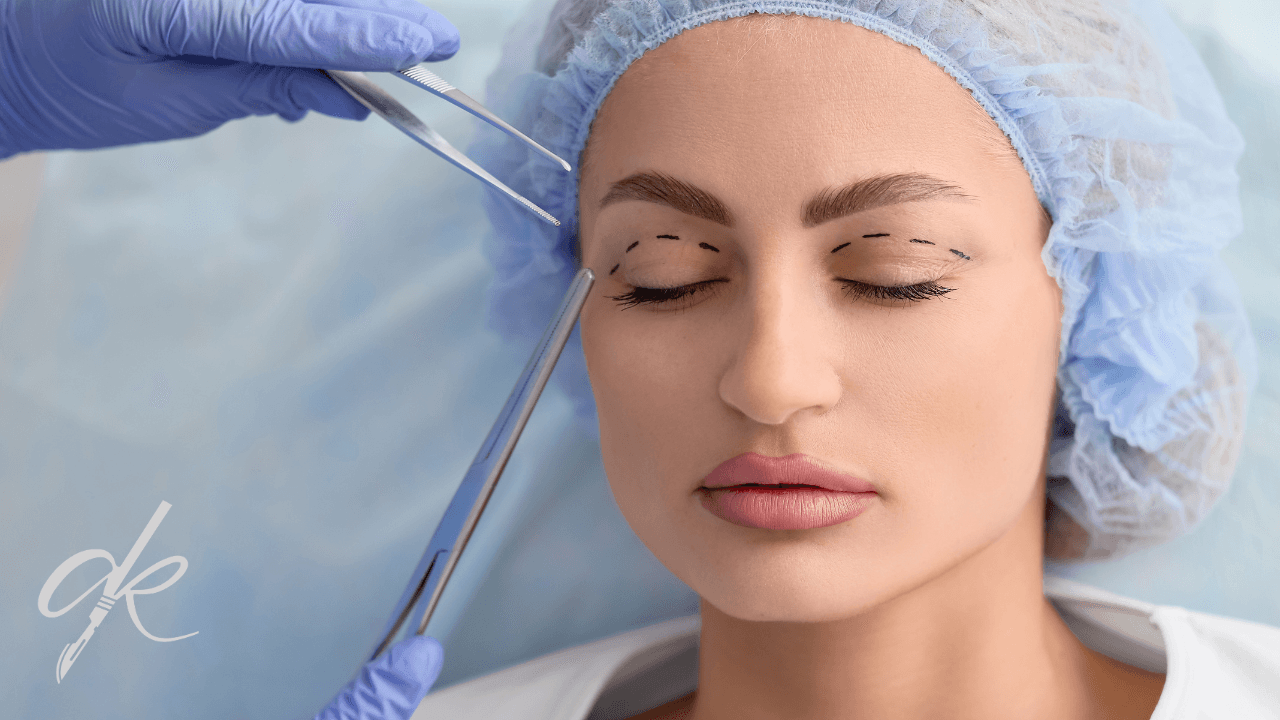
The Reality Behind the Tired Expression: Why Do We Look Older?
The skin around the eyes is the thinnest and most sensitive on the entire body. This is why signs of aging often debut here.
Upper Eyelid: Excess skin accumulates and sags downward. This isn’t just an aesthetic concern; in many cases, it becomes a functional problem by restricting the field of vision.
Lower Eyelid: The herniation of fat pads under the eyes creates “puffiness” or bags, while skin laxity leads to fine wrinkles and a hollowed appearance.
“Our goal in eyelid surgery is not to transform you into someone else; it is to lift the ‘tired veil’ from your face and return the fresh, vibrant gaze of your own youth.” — Dr. Ahmet Kaplan
A Personalized Blepharoplasty Approach with Dr. Ahmet Kaplan
Just as with breast or abdominal aesthetics, there is no “one-size-fits-all” procedure in eyelid surgery. Dr. Kaplan plans each surgery by meticulously considering the patient’s facial proportions and brow structure.
| Procedure Type | Primary Goal |
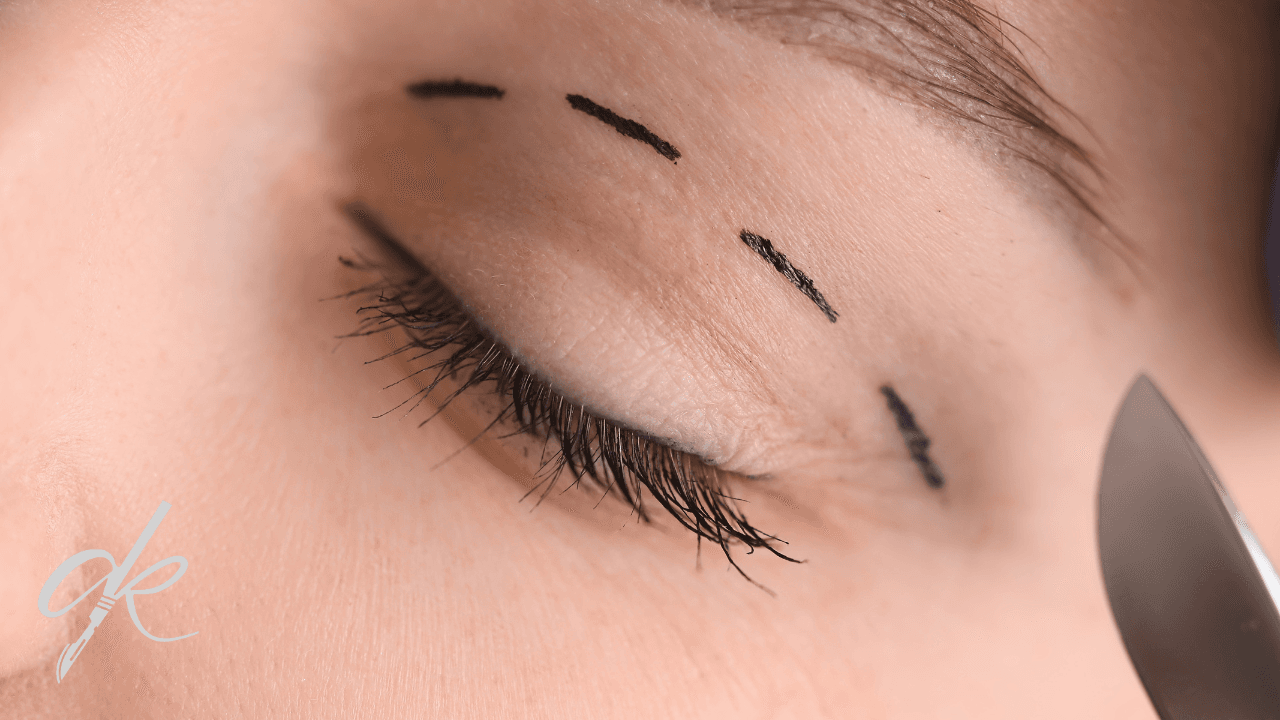
| Upper Blepharoplasty | Removes excess skin and muscle tissue; makes the gaze appear more “open” and alert. |
| Lower Blepharoplasty | Eliminates puffiness and balances the transition between the under-eye and the cheek. |
| Combined Approach | Often supported by a brow lift or mid-face lift for a total facial rejuvenation. |
The Procedure and Recovery: What to Expect
Eyelid surgeries are typically comfortable procedures performed under local anesthesia and sedation, requiring no overnight hospital stay.
Duration: Upper eyelid surgery takes about 45–60 minutes. Combined with the lower eyelid, the total time is roughly 2 hours.
Will There Be Scars? The upper eyelid scar is hidden within the natural crease of the lid. The lower eyelid scar is placed just below the lash line or inside the lid. Once healed, these marks are nearly invisible.
Returning to Social Life: Mild swelling and bruising are natural for the first few days. Typically, sutures are removed within 1 week, and patients can comfortably return to work and social activities.
Aesthetic Excellence in Istanbul: Why Choose Dr. Ahmet Kaplan?
For patients traveling from across the globe, Istanbul is not just a medical hub but a destination for recovery and luxury. At Dr. Ahmet Kaplan’s clinic, we provide international guests with several distinct advantages:
Natural Result Guarantee: Our philosophy focuses on “rested” eyes, not “operated” eyes.
Advanced Technology: Precision surgical techniques that minimize bleeding, bruising, and downtime.
Comprehensive Follow-up: Professional team support at every stage, from the initial online consultation to the final post-operative check.
Conclusion: Release the Energy in Your Gaze
Eyelid surgery is one of the most impactful procedures for changing a person’s facial expression with a relatively minor intervention. It is time to trade the question “Why do you look so tired?” for the compliment “You look so refreshed, what’s your secret?”
I am Dr. Ahmet Kaplan. If you are ready to end the tired expression and make peace with your reflection, we welcome you to our clinic in Istanbul for a personalized analysis.
Frequently Asked Questions (FAQ)
1. Is eyelid surgery permanent?
Yes, the results generally last for many years (typically 10–15 years). While the natural aging process continues, the skin and fat removed during the surgery will not return.
2. Will I experience vision problems after surgery?
No, blepharoplasty is not performed on the eyeball itself; it only involves the surrounding tissues. Any slight blurriness for a few days post-op is temporary and usually due to the ointments used or minor edema.
3. At what age can blepharoplasty be performed?
While patients aged 35 and older are the most common, younger patients with genetic puffiness or heavy lids can achieve successful results much earlier.
4. Is it necessary to wear sunglasses after the operation?
Yes. We strongly recommend wearing sunglasses for the first few weeks to protect the incisions from UV rays and wind, as well as to minimize swelling.
5. How are the costs determined?
Pricing varies based on whether the procedure involves only the upper lid, the lower lid, or both, as well as whether additional procedures (like fat grafting) are required.