
Abdominoplasty, also known as tummy tuck surgery, is a surgical procedure designed to remove excess abdominal skin, improve looseness in the abdominal area and, in selected patients, repair abdominal muscle separation. It is commonly considered by people who experience loose abdominal skin after pregnancy, significant weight loss or persistent lower abdominal sagging that does not improve with diet and exercise alone.
However, recovery after abdominoplasty does not end when the surgery is completed. As the body begins to heal, swelling, tightness, bruising, firmness and temporary movement limitations may occur. One of the most common questions patients ask during this period is: “How can swelling be reduced after abdominoplasty?”
Swelling is a normal and expected part of the healing process after tummy tuck surgery. During the procedure, tissues are separated, excess skin is removed, the abdominal area is reshaped and, if liposuction is added, fat tissue is also treated. These surgical steps temporarily affect circulation and lymphatic drainage, which may lead to swelling.
For this reason, it is not realistic to expect swelling to disappear immediately after abdominoplasty. A more accurate approach is to support the body’s natural healing process, manage swelling in a controlled way and follow the surgeon’s postoperative instructions carefully.
Compression garment use, short and controlled walks, adequate hydration, balanced nutrition, limiting excess salt intake, avoiding smoking, lymphatic massage when approved by the surgeon, proper sleeping position and regular follow-up appointments can all support swelling management.
In this article, we will explain why swelling occurs after abdominoplasty, how long it may last, what can help reduce it, and which warning signs should not be ignored. This content is prepared in line with the expertise of Dr. Ahmet Kaplan, a Plastic, Reconstructive and Aesthetic Surgeon in Istanbul, Turkey.
What Is Swelling After Abdominoplasty?
Swelling, medically known as edema, means fluid accumulation between tissues. After surgery, the body sends more blood flow, fluid and healing cells to the operated area. This natural healing response may create fullness, tightness and visible swelling.
After abdominoplasty, swelling is usually felt in the abdomen, waist area, groin line and sometimes the pubic region. If liposuction is performed together with tummy tuck surgery, swelling may also appear in the flanks, back, hips or upper abdomen.
Swelling does not occur in the same way in every patient. Some patients experience mild and limited swelling, while others feel more noticeable tightness, firmness and abdominal fullness. The extent of swelling may depend on tissue structure, the scope of surgery, whether liposuction was added, compression garment use, nutrition and compliance with recovery instructions.
Why Does Swelling Occur After Abdominoplasty?
There are several reasons for swelling after tummy tuck surgery. The first is surgical trauma. During abdominoplasty, the skin and underlying tissues are lifted and repositioned, excess skin is removed and the abdominal contour is reshaped. This process naturally activates the body’s healing response.
Another reason is temporary disruption of lymphatic circulation. The lymphatic system plays an important role in removing excess fluid from tissues. After surgery, this system may work more slowly for a period of time, making swelling more noticeable.
When abdominoplasty is combined with liposuction, swelling may be more widespread. This is because both skin tightening and fat removal areas enter the healing process at the same time.
Inactivity, excessive salt intake, insufficient hydration, smoking, irregular nutrition, incorrect compression garment use or too much physical activity too early may also contribute to increased swelling.
Is Swelling Normal After Abdominoplasty?
Yes. Swelling after abdominoplasty is largely normal and expected. Tummy tuck surgery involves tissue healing, and swelling is a natural part of this process.
Patients usually feel tightness, firmness and swelling in the abdomen immediately after surgery. This may be more noticeable during the first days and weeks. Over time, swelling gradually decreases, but complete resolution may take weeks or even months in some patients.
The important point is to understand whether the swelling is part of normal healing. Generalized swelling that affects both sides and gradually decreases is usually expected. However, sudden one-sided swelling, increasing pain, redness, fever, discharge, bad odor, shortness of breath or sudden leg swelling should be reported to the surgeon immediately.
How Long Does Swelling Last After Abdominoplasty?
The duration of swelling after abdominoplasty varies from person to person. Swelling is usually more noticeable during the first weeks. A gradual decrease is expected over time, but complete softening of the abdomen and final contour definition may take longer.
Some patients feel less swollen in the morning and more swollen by the end of the day. This is common during the early recovery period. Standing for long periods, moving around too much, sitting for a long time or overexertion may increase swelling during the day.
If liposuction is performed together with abdominoplasty, swelling may affect a wider area and last longer. Therefore, the early postoperative appearance should not be considered the final result.
Swelling after abdominoplasty requires patience. Following the surgeon’s instructions helps the recovery process progress more comfortably and safely.
Why Is Compression Garment Use Important?
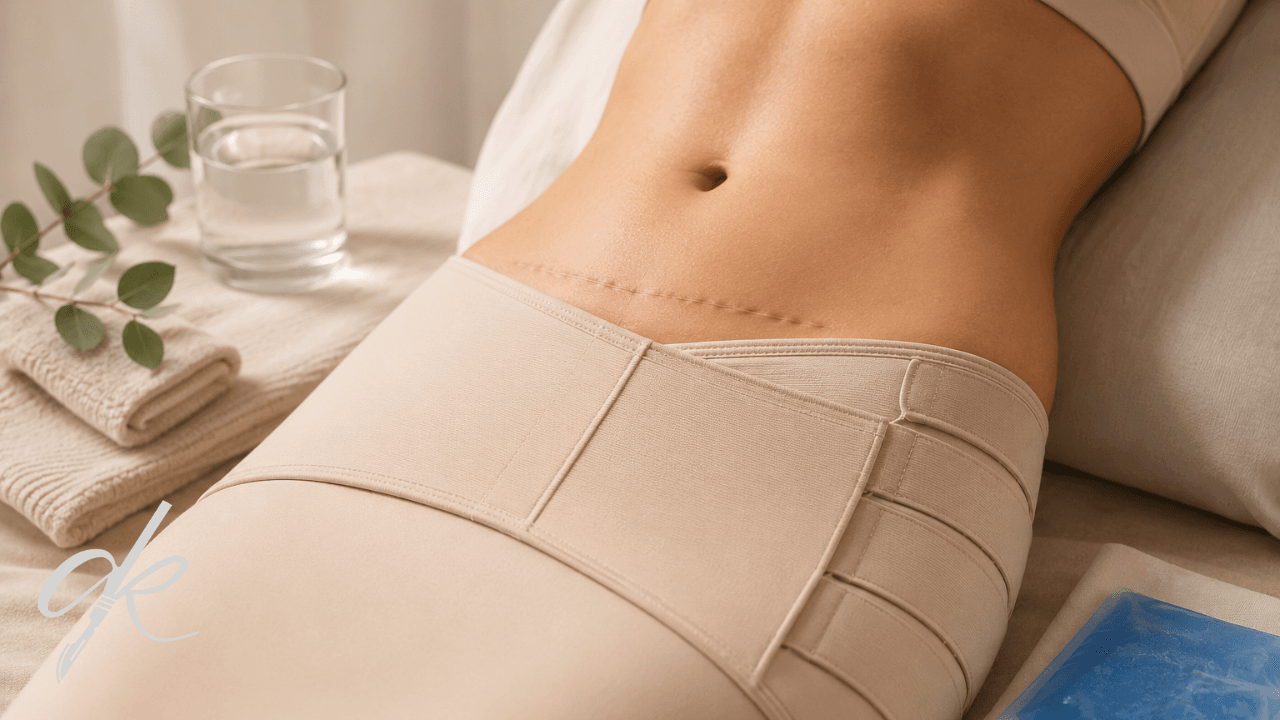
Compression garment use is one of the most important supportive steps in swelling management after abdominoplasty. A compression garment applies gentle and even pressure to the operated area, helping tissues settle in a more controlled way.
It may also reduce the feeling of looseness, support the abdominal area during movement and help manage swelling. However, the garment must be the correct size and used properly.
A garment that is too tight may impair circulation, cause skin irritation or create discomfort. A garment that is too loose may not provide enough support. For this reason, garment selection and duration of use should be determined by the surgeon.
Patients should not assume that “the tighter, the better.” A proper compression garment should support the body without making breathing, circulation or controlled daily movement difficult.
Does Walking Help Reduce Swelling?
Yes. Controlled walking may play an important role in swelling management after abdominoplasty. Remaining completely inactive after surgery can slow circulation and may contribute to prolonged swelling.
Short, slow and controlled walks, as allowed by the surgeon, can support blood circulation. Walking may also help reduce the risk of blood clots.
However, walking should not be confused with exercise. Fast walking, intense workouts, abdominal exercises or standing for long periods are not recommended in the early recovery period. Too much effort may increase swelling and make recovery more difficult.
Walking duration and frequency should be personalized according to the patient’s surgical plan, general health and healing progress.
Does Nutrition Affect Swelling?
Yes. Nutrition after abdominoplasty can affect swelling and recovery. During the healing process, the body needs protein, vitamins, minerals and adequate hydration.
Very salty foods can increase fluid retention. For this reason, processed foods, packaged snacks, fast food, pickled foods, ready-made sauces and high-sodium meals should be limited during recovery.
Protein intake is important for tissue repair. Eggs, fish, chicken, lean meat, yogurt, kefir, legumes and other protein sources recommended by the surgeon or nutrition professional may support healing.
Fiber-rich foods are also important. Reduced movement, pain medication and dietary changes may cause constipation after surgery. Constipation may increase abdominal pressure and discomfort. Vegetables, fruits, whole grains and adequate fluid intake can help support bowel function.
Does Drinking Water Increase Swelling?
No. Drinking enough water does not increase swelling. On the contrary, adequate hydration helps the body maintain fluid balance and supports the removal of metabolic waste.
Some patients may think, “I have swelling, so I should drink less water.” This is not a correct approach. Dehydration may disturb fluid balance, worsen constipation and negatively affect recovery.
Of course, fluid intake should be planned according to the patient’s general health. Patients with kidney, heart or fluid restriction conditions should follow their doctor’s advice.
In general, adequate water intake is one of the supportive steps in swelling management after surgery.
Why Should Salt Intake Be Limited?
Salt can increase fluid retention in the body. Since surgical swelling already occurs after abdominoplasty, excessive salt intake may make swelling feel more noticeable.
Processed and packaged foods are often high in hidden salt. It is not only the salt added to meals, but also the sodium content of prepared foods that can increase total salt intake.
During the postoperative period, a balanced diet with simpler and more natural foods may help swelling control. However, salt should not be completely eliminated unless medically necessary. The goal is balanced intake.
Patients with high blood pressure, kidney disease or metabolic conditions should follow personalized dietary recommendations.
Can Lymphatic Massage Reduce Swelling?
Lymphatic massage may be supportive for swelling management after abdominoplasty in some patients. However, it should only be performed with the surgeon’s approval and at the appropriate time.
Lymphatic massage is not a strong deep-tissue massage. After surgery, tissues are sensitive, and aggressive massage may be harmful. Proper lymphatic massage should be gentle, controlled and aimed at supporting lymphatic drainage.
Not every patient needs lymphatic massage. It may be beneficial for some, while it may not be appropriate for others, especially in the early period. If there are drains, open wounds, suspected infection, significant pain, seroma or specific restrictions from the surgeon, massage should be avoided.
For this reason, patients should always consult their surgeon before starting lymphatic massage.
Does Drain Use Affect Swelling?
Drains may be used after abdominoplasty in some patients. Drains help remove fluid that may accumulate in the surgical area. This may support fluid management and help reduce the risk of seroma.
Drain use is not the same for every patient. The extent of surgery, surgical technique, whether liposuction was added and the surgeon’s protocol all influence the decision.
Patients should not remove, pull or manipulate drains on their own. Drain output, color and daily monitoring are important.
The timing of drain removal is also personalized. Patients should not decide on their own whether drains should be removed earlier or later.
Can Proper Sleeping Position Help Reduce Swelling?
Sleeping position after abdominoplasty is important for comfort and for reducing tension on the incision line. In the early period, patients are often advised to rest in a slightly flexed position with support under the knees.
Keeping the upper body slightly elevated and placing pillows under the knees may reduce tension on the abdominal area. This position can also make it easier to get up in a controlled way.
However, sleeping position should be personalized according to the surgeon’s instructions. If abdominoplasty is combined with other procedures such as breast surgery or liposuction, positioning recommendations may change.
Proper sleeping position does not remove swelling by itself, but it can help make the recovery period more comfortable.
Can Too Much Activity Increase Swelling?
Yes. Doing too much too soon after abdominoplasty can increase swelling. Standing for long periods, lifting heavy objects, walking too fast, using stairs frequently or doing housework early may increase abdominal swelling.
Patients may feel better after a few days and want to return quickly to normal life. However, internal healing continues even when the outside appearance seems improved.
For this reason, controlled movement is important. Complete inactivity is not ideal, but excessive activity can also make recovery more difficult.
The best balance is to follow the activity plan recommended by the surgeon.
Does Smoking Affect Swelling and Healing?
Yes. Smoking can negatively affect recovery after surgery. It may reduce tissue oxygenation, impair circulation and delay wound healing.
In abdominoplasty, where a wide tissue area is involved, healthy circulation is very important. Smoking may contribute to longer-lasting swelling and wound healing problems.
Patients should follow their surgeon’s instructions regarding smoking before and after surgery. Nicotine-containing products should also be considered, not only cigarettes.
Can Alcohol Increase Swelling?
Alcohol may affect the body’s fluid balance, make recovery more difficult and interact with medications. For this reason, alcohol consumption after abdominoplasty is not recommended unless the surgeon approves it.
Alcohol may also increase the feeling of swelling and disrupt nutrition. During the recovery period, the body needs balanced nutrition, adequate hydration, rest and controlled movement.
Focusing on healthy habits is a better approach during postoperative healing.
Are Diuretics Used for Swelling After Abdominoplasty?
Diuretics should not be used for swelling after abdominoplasty unless prescribed by a doctor. Surgical swelling is usually related to tissue healing and temporary changes in lymphatic circulation. It does not always require medication.
Unsupervised diuretic use can disturb fluid and electrolyte balance, cause blood pressure problems and negatively affect recovery.
If medication is needed for swelling, the decision should be made by the doctor. Patients should not use medications, herbal products or supplements on their own.
Do Herbal Teas or Supplements Reduce Swelling?
Some patients may want to use herbal teas or supplements to “remove swelling” after surgery. However, natural does not always mean safe. Some herbal products may have blood-thinning effects, interact with medications or cause digestive problems.
Especially in the early postoperative period, unsupervised supplement use is not recommended. Any product should be discussed with the surgeon first.
The safest approach to swelling management includes compression garment use, controlled walking, adequate hydration, balanced nutrition, salt limitation and supportive treatments only when approved by the surgeon.
Can Removing the Compression Garment Increase Swelling?
If the compression garment is not used as recommended, swelling control may become more difficult. However, this does not mean the garment should never be removed. It may be removed for hygiene, showering, skin checks or according to the surgeon’s instructions.
The important points are consistency and correct use. Patients may feel more swelling and less support if they leave the garment off for long periods.
If the garment causes discomfort, redness, skin injury, pressure marks or breathing difficulty, the surgical team should be contacted. Patients should not change garments or modify use without guidance.
What Is the Difference Between Swelling and Seroma?
Swelling is a more generalized fluid accumulation between tissues and is usually expected after surgery. Seroma is a localized fluid collection in a specific area of the surgical site.
Seroma may sometimes feel like fluid movement, localized fullness or asymmetric swelling in the abdomen. Not every swelling is a seroma, but suspicious findings should be evaluated by the surgeon.
If seroma develops, the surgeon may recommend observation, aspiration or another treatment plan. Patients should not apply pressure, massage the area aggressively or try to drain fluid on their own.
Regular follow-up appointments are important to distinguish normal swelling from fluid accumulation that may require treatment.
When Should Swelling Be a Concern?
Swelling after abdominoplasty is usually expected. However, some symptoms may fall outside the normal healing process.
Patients should contact their surgeon if they notice:
Sudden increase in swelling
One-sided marked firmness or fullness
Severe or worsening pain
Redness, warmth or foul-smelling discharge
Fever
Excessive fluid from the incision
Sudden leg swelling or leg pain
Shortness of breath
Chest pain
Dizziness or fainting
These symptoms may indicate different medical issues and should be evaluated without delay.
Daily Tips to Help Reduce Swelling After Abdominoplasty
Small but consistent steps are important in swelling management after abdominoplasty. General supportive recommendations include:
Use the compression garment as instructed
Take short and controlled walks
Avoid staying completely inactive
Do not lift heavy objects
Limit excessive salt intake
Drink enough water
Eat a balanced, protein-rich diet
Avoid smoking and alcohol
Do not use medication or supplements without approval
Have lymphatic massage only with surgeon approval
Attend follow-up appointments regularly
Avoid movements that strain the abdomen
Be patient and do not judge the final result too early
These suggestions are for general information. Each patient’s surgery is different, so the recovery plan should be personalized by the surgeon.
When Does the Final Result Become Visible After Abdominoplasty?
During the first weeks after abdominoplasty, the abdomen may feel swollen, tight and firm. For this reason, it is not accurate to judge the final result too early.
Over time, swelling decreases, tissues soften, the incision line matures and the abdominal contour becomes clearer. This process requires patience. In patients who also had liposuction, body settling may take longer.
The timeline for final results varies. Age, skin quality, extent of surgery, weight changes, nutrition and compliance with recovery instructions all affect the process.
Swelling Management After Abdominoplasty with Dr. Ahmet Kaplan in Istanbul, Turkey
Swelling management after abdominoplasty is an important part of the recovery process. Dr. Ahmet Kaplan, a Plastic, Reconstructive and Aesthetic Surgeon in Istanbul, Turkey, evaluates not only the surgical technique but also the postoperative healing plan individually.
Compression garment use, drain monitoring, walking plan, nutrition recommendations, lymphatic massage suitability, follow-up appointments and activity limits are planned according to the patient’s surgical details.
Swelling does not progress the same way in every patient. Mini abdominoplasty, full abdominoplasty, liposuction-assisted abdominoplasty or combined aesthetic procedures may all require different recovery approaches.
For this reason, the most reliable way to reduce swelling after abdominoplasty is to follow the instructions of the surgeon who performed the operation.
Conclusion: Swelling After Abdominoplasty Can Be Managed with Patience and Proper Care
Swelling after abdominoplasty is a natural part of the healing process. Abdominal swelling, tightness and firmness are expected in the early period after surgery. The important point is to manage this process properly and avoid habits that may increase swelling.
Compression garment use, controlled walking, adequate hydration, balanced nutrition, limiting excess salt, avoiding smoking, lymphatic massage when approved by the surgeon and regular follow-up appointments may help swelling decrease in a healthier way.
However, swelling takes time to resolve. The early postoperative appearance does not reflect the final result. Patients should be patient, avoid self-prescribed medication or supplements, and contact their surgeon if unusual symptoms occur.
Successful recovery after abdominoplasty depends not only on surgical technique, but also on conscious and consistent postoperative care.
Frequently Asked Questions
Is swelling normal after abdominoplasty?
Yes. Swelling is a normal healing response after abdominoplasty and is seen in most patients. It decreases over time, but the duration varies from person to person.
How long does swelling last after abdominoplasty?
Swelling is usually more noticeable in the first weeks. It gradually decreases, but complete softening and final contour definition may take longer.
Does a compression garment reduce swelling?
A compression garment can help manage swelling by providing controlled support to the surgical area. It should be used correctly and according to the surgeon’s instructions.
Does walking help reduce swelling after tummy tuck surgery?
Short and controlled walks may support circulation and help swelling management. However, heavy exercise should be avoided in the early period.
Does salt increase swelling?
Yes. Excessive salt intake may increase fluid retention. Salty and processed foods should be limited after surgery.
Does drinking water increase swelling?
No. Adequate water intake supports fluid balance. Reducing water intake is not a correct way to manage swelling.
Can lymphatic massage be done after abdominoplasty?
It may be done in some patients with surgeon approval. However, massage at the wrong time or with excessive pressure may be harmful.
What is seroma after abdominoplasty?
Seroma is a localized fluid collection in the surgical area. It is different from generalized swelling and may require medical evaluation.
Are diuretics used for swelling?
Diuretics should not be used without a doctor’s recommendation. Unsupervised use may disturb fluid and electrolyte balance.
Do herbal teas reduce swelling?
Some herbal products may interact with medications or affect bleeding risk. Herbal teas and supplements should be discussed with the surgeon before use.
Why does swelling increase in the evening?
Standing, walking and gravity during the day may make swelling feel more noticeable in the evening. This is common during early recovery.
Should the compression garment be very tight?
No. The garment should provide support but should not be tight enough to impair circulation, breathing or skin health.
When can I exercise after abdominoplasty?
Return to exercise depends on the extent of surgery and healing progress. Abdominal exercises should not be started without surgeon approval.
Does swelling affect the final result?
Swelling can temporarily affect the abdominal appearance in the early period. Final results should be evaluated after tissues settle and swelling decreases.
Which swelling symptoms may be dangerous?
Sudden swelling, one-sided firmness, fever, redness, foul-smelling discharge, shortness of breath, sudden leg swelling or chest pain should be reported to the surgeon.